Description
This Black Belt in Lean program is our most in-depth, certified Lean training in Belgium and the Netherlands. Over 22 days, you will learn how Lean works as a structured, principle-based business strategy to organize activities smarter and achieve business objectives more effectively.
The ultimate goal is clear: deliver maximum customer value—with the highest quality, at the lowest cost, and with the shortest lead time. You will learn what Black Belt in Lean can mean in daily operations and improvement work, across manufacturing, office environments, healthcare, and service organizations. The foundational Lean principles are universal and transferable across sectors.
Experience & Teaching Approach
Since 1993, we have been teaching Lean as a business strategy applicable in every domain (manufacturing, office, service, healthcare). Topics that are covered in depth include Value Stream Mapping, Mixed Model VSM, Supply Chain, Lean Office/Service tools, Six Sigma, Hoshin Kanri, and Change Management, enabling you to design, coach, and support successful Lean implementations in your organization.
Our trainers combine extensive Lean practice with a strong academic background and work with in-depth, real-life cases and examples throughout the program.
Certification & Recognition
Van Goubergen P&M – Lean Academy is a registered service provider within the KMO-portefeuille (Belgium). Our training activities are ISO 9001:2015 certified by the British Standards Institute (BSI).
Prerequisites
This training can be followed without any specific prerequisite.
Basic knowledge of statistics will be beneficial for Module 3 (Six Sigma tools)
Participants who already have a certificate of Black Belt in Six Sigma can request to be exempt from Module 3 (Six Sigma).
Benefits
With a deep mastery of Lean strategy and advanced improvement techniques, participants are equipped
to lead and sustain impactful Lean transformations across their organization.
- Follow the complete Lean journey, from foundational tools to strategic organizational design
- Apply Lean principles across multiple environments, including manufacturing, office, service,
and healthcare settings - Work with real-life case studies, simulation exercises, and expert coaching grounded in practice
- Improve customer satisfaction by reducing lead times, stabilizing processes,
and lowering operational cost - Exchange insights and experiences with peers from diverse industries and functional backgrounds
- Benefit from a certified training program (ISO 9001:2015), eligible for subsidies in Flanders (Belgium)
Agenda
This training is a 22-day course, followed by a certification exam.
Module 1Green Belt in Lean (8 days)
Day 1 — Introduction to Lean Thinking
- What is Lean and where does it come from
- Core Lean principles explained through a hands-on LEGO simulation
- Lean as a business strategy for smarter organization of activities
- the hard side (processes, flow, tools)
- the soft side (people, leadership, culture)
- Lean explained through four core themes
- Value versus Waste
- Flow in Value Streams
- Visual Management
- Striving for perfection: Kaizen culture and Lean leadership
- Overview of the main Lean pillars and foundational tools based on the Toyota Production System (TPS)
Days 2–3 — Value Stream Mapping (Production)
- Fundamentals of Value Stream Mapping (VSM) in production environments
- Mapping the value stream from raw material to finished product
- Designing an improved future state and defining a focused action plan with relevant Kaizen initiatives
- How to achieve breakthrough improvement through value stream design based on eight Lean design principles, instead of traditional brainstorming
Day 4 — Structured Problem Solving (Toyota Business Practice)
- Effective problem analysis and problem solving using Toyota Business Practice (TBP)
- The 8-step problem-solving approach based on PDCA, A3 thinking, and 5 Whys
- Taught in the way Toyota trains its own employees, by a Toyota Master Trainer
- Practical case study with explicit attention to common pitfalls in problem solving
Day 5 — Kanban/Pull Systems; Operational Stability with TPM
- Pull and Kanban systems
- What are pull systems
- Different implementation forms
- Pull/Kanban as a strategy to control inventory and lead time by managing material and information flow
- Operational stability as a prerequisite for flow
- Improving equipment reliability through Total Productive Maintenance (TPM)
- OEE (Overall Equipment Effectiveness) as a performance indicator
Day 6 — 5S & Standard Work; Jidoka Built in Quality
- Operational stability through Standard Work and 5S
- Designing effective visual standards for workplaces and processes
- Reducing waste (searching, quality defects, rework) while improving safety and consistency
- Standards as the starting point for continuous improvement (Kaizen)
- The Jidoka pillar and quality from a Lean perspective
- Poka-Yoke: designing processes that prevent or detect human error
- Andon: visual signaling systems to detect abnormalities early
- Autonomation: separating man and machine so processes stop automatically when problems occur
- Visual management to make disturbances and waste visible in the flow
Day 7 — Lean in Office, Service & Healthcare
- Translating the Lean/TPS approach to non-production environments
- Differences and challenges in administrative, service, healthcare, and support processes
- Business Process Value Stream Mapping (BPVSM)
- Mapping service and transactional processes
- Developing an implementation roadmap for breakthrough improvements in office and service environments, based on an 8-step approach
Day 8 — BPVSM Part 2; SMED
- Business Process Value Stream Mapping — Part 2
- SMED (Single Minute Exchange of Dies) for setup time reduction
- Why flexibility is critical in Lean
- How shorter changeover times lead directly to:
- cost reduction
- lower inventory
- increased flexibility
- SMED as a structured improvement process rather than a technical trick
- A proven approach, based on experience from 150+ SMED improvement initiatives
Module 2Advanced Lean Techniques
Days 9–11 — Advanced Value Stream Design
- Mixed Model Value Stream Design: product families typically consist of a wide range of products with different work content, setup times, and processing requirements
- How to improve flow in complex value streams with high product variety
- Managing shared resources (people, workstations, lines) that are used across multiple value streams
- Designing improved flow despite complexity, resulting in:
- shorter lead times
- lower operational cost
- more predictable performance
Day 12 — Internal Logistics & Lean Material Handling
- Why well-designed value streams fail when internal logistics are not aligned
- Typical internal logistics “flow stoppers” and how to eliminate them
- Designing internal logistics to support and protect the main value stream
- Guest lecture by a practitioner from TE Connectivity, where these principles are deeply implemented in practice
Day 13 — Lean Supply Chain Design
- Understanding the value stream beyond a single organization: from suppliers to end customers
- Connecting suppliers, producers, customers, and consumers into one integrated value stream
- Applying Lean principles at supply chain level to achieve flow breakthroughs
- Using Macro / Extended Value Stream Mapping to design improved material and information flows across the supply chain
Day 14 — Lean Tools for Office & Service Environments
- Expanding the Lean toolbox for more effective implementation in office and service environments
- Techniques covered include:
- Overhead Value Analysis
- Contactograms
- Written communication analysis
- Meeting structure analysis
- Variable Factor Programming (VFP) for value streams with high variability
- Multi Moment Observations (MMO / Work Sampling)
- Quantifying waste and improvement potential in environments with variable tasks and work content
Day 15 — Service & Office Lean Simulation
- Hands-on simulation game illustrating Lean principles in a service and office environment
- Multiple value streams and shared resources within one system
- Applying Business Process Value Stream Mapping and Lean Design for Flow principles
- Achieving breakthrough improvement in an office/service context based on previously learned techniques
Day 16 (Part 1) — Lean Design for Flow
- Lean traditionally focuses on improving existing processes by eliminating waste
- Critical reflection: how much waste is actually created during poor initial process design?
- Designing processes right the first time using Lean principles
- The role of Engineering and process design in sustainable Lean implementations
Module 3Six Sigma tools to support Lean
This module introduces Six Sigma as a complementary approach to Lean.
The focus is on understanding and reducing variation so that waste is reduced and value streams
perform more reliably and predictably.
Days 16 (Part 2), 17 & 18
Six Sigma Fundamentals & DMAIC
- What is Six Sigma and how can it strengthen Lean implementations
- History, philosophy, and positioning of Six Sigma within operational excellence
- Understanding variation and why it creates waste in processes
- Key performance and quality metrics, including:
- Critical to Quality (CTQ)
- Cost of Non-Quality
- Defects per Unit (DPU)
- Defects per Million Opportunities (DPMO)
- First Time Yield
- Throughput Yield
- Rolled Throughput Yield
Basic Statistical Concepts
- Introduction to basic statistics for process improvement
- Normal distribution and data transformations
- Process distributions and parameters:
- mean
- median
- mode
- Confidence intervals and their interpretation in improvement projects
DMAIC Methodology
- The DMAIC improvement cycle:
- Define
- Measure
- Analyse
- Improve
- Control
- Tools and techniques per DMAIC phase, including:
- Voice of the Customer (VoC)
- SIPOC
- Pareto analysis
- Boxplots and Histograms
- Process Mapping (M-PMAP)
- Gage R&R
- FMEA
- Ishikawa (Fishbone) diagrams
- BOB vs. WOW analysis
- 5W2H analysis
- Multi-Vari analysis
- Hypothesis testing (step-by-step)
- One-sample and two-sample tests
- ANOVA (one-factor)
- Control charts
- Out of Control Action Plans
Practical Application
- Hands-on exercises to apply statistical concepts
- Interpreting data correctly to support fact-based decision making
- Linking Six Sigma analysis directly to Lean improvement initiatives
Module 4Building a Lean Organisation
Day 19 — Lean and Change, HRD
- Human Resources Development (HRD) at Toyota:
- how HR actively steers and supports Lean implementation
- Role of leadership development, capability building, and coaching in sustaining Lean
- Guest lecture by a former Toyota Motor Europe master trainer and Kaizen manager
- Lean and Change Management:
- how to design, launch, and guide change in complex organizations
- Practical insights
Days 20–21 — Accounting for Lean & Value Stream Costing
- Why traditional cost accounting and financial reporting fail to show improvements in flow
- How conventional accounting systems can unintentionally stimulate overproduction
— the worst form of waste - Understanding why short-term financial results may appear negative after Lean improvements
- Introduction to Value Stream Costing and Throughput Accounting as alternative management accounting approaches
- Making the financial impact of flow improvements visible and measurable
- Using value stream–driven cost models to support:
- investment decisions
- portfolio management
- engineering and product development choices
- Case Study 1:
Value stream cost model at plant level, including:- comparison of current vs. future state
- financial impact of an investment decision
- introduction of a new product
- Case Study 2:
End-to-end supply chain cost model, analyzing different future-state scenarios related to:- transport modes
- supplier locations
- conversion costs and value stream compression
Day 22 — Lean Operating Systems & Culture
- Lean Culture at Johnson & Johnson:
- How to achieve a sustainable cultural shift through a structured and thoughtful approach
- Practical insights into communication, leadership behavior, and consistency as drivers of cultural change
- Guest lecture by the former GM Manufacturing of Johnson & Johnson Pharma (Janssen) in Belgium
- Lean Operating Systems & Daily Management,
- illustrated with a real-life case at Mars Food Europe
- Guest lecture by the Lean Manager of Mars Olen (Belgium)
Target audience
Manufacturing & Industrial Environments
- Managers and operational managers
- Functional managers
- Quality managers
- Supply chain and logistics managers
- Production directors
- Industrial engineers
- Lean specialists and Lean coaches
- Professionals focused on improving production and supporting value streams
Office & Service Environments
- Department heads and office managers
- Middle and senior management
- Entrepreneurs and self-employed professionals
- Professionals in liberal professions
- Lean specialists and Lean coaches
- Professionals aiming to improve administrative and service flows
Healthcare Sector
- Chief physicians and senior medical staff
- Functional and quality managers
- Department heads
- Middle and senior management
- Lean specialists and Lean coaches
- Professionals aiming to improve processes for the benefit of the patient
The Black Belt in Lean program is designed for professionals who want to lead complex improvement initiatives
by applying Lean as a structured, principle-based business strategy, regardless of sector.
Testimonials
“Learning how to create a cultural shift doesn’t happen in just a few days. It requires the right training with the right content. Dirk is an inspirer who keeps you sharp throughout the extensive program. I’ve learned what Lean Management truly means because Dirk really dives into its essence. Thanks to that, I now understand what changes are needed to build a Lean organization — and with success! The tools we received during the sessions I now apply step by step at the production site where I work. I can ‘translate’ it much better to my team. I see the results — not only financially, but also in the calm that emerges in our departments, simply by creating time.”
Helga van de Voort Bedrijfsleider @Vion Boxtel
“Exactly what I needed: strong focus on Lean in office environments, change management and culture. Case studies and company visits added real impact.”
Edith De Prins, Quality Manager, Telenet
“Thorough and highly engaging. Real-world applications made it easy to link theory to practice. If you want to master Lean beyond tools, this is the program.”
Hanneke Tijl, Site Manager, Vion
“The program transferred the real Lean mindset. I launched a ‘best in class’ project that won our company’s Philips Excellence Award.”
Matt Peters, Operational Excellence Lead, Philips HealthSystems
” After 10 years I still look back with much enthusiasm to the Black Belt in Lean training that I followed at the Van Goubergen P&M Lean Academy. The principles we have learned are highly valued within Daikin and form the basis for many of our kaizen activities and projects
Jeroen Boury, Co-Department Manager Production Engineering, Daikin Europe
Trainers
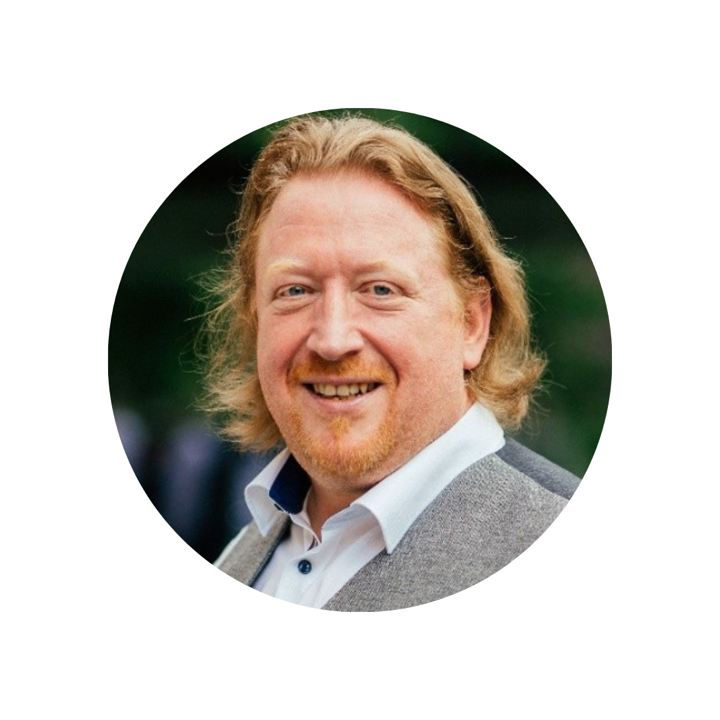
Programme director and owner of Lean Academy
Dirk Van Goubergen
Prof. Dr. Ir. Dirk Van Goubergen has more than 30 years of practical and academic experience in industrial engineering, operations management, Lean/operational excellence and value stream design. He has worked with leaders and teams worldwide at organisations including Toyota Motor Europe, Volvo, Mars, Philips, Amazon, Daikin, TE Connectivity, Johnson & Johnson and Delphi Technologies.
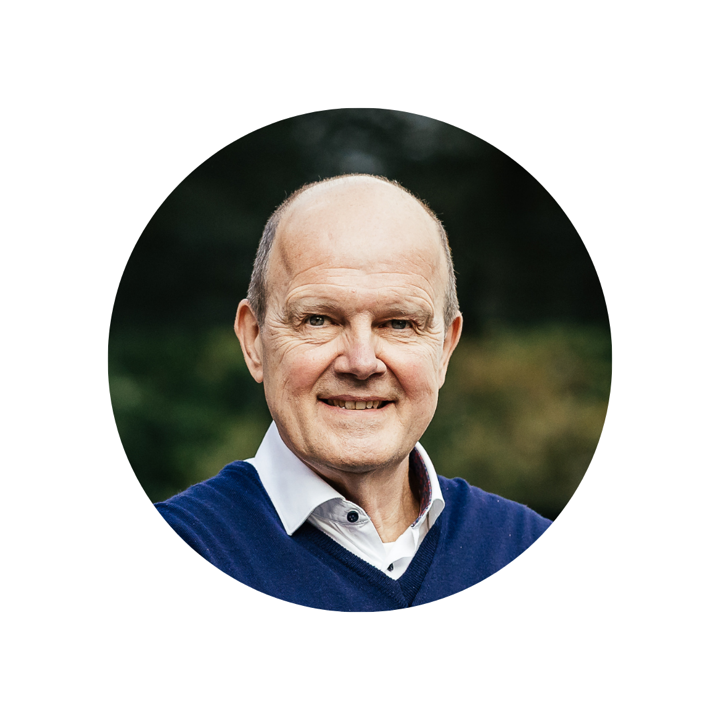
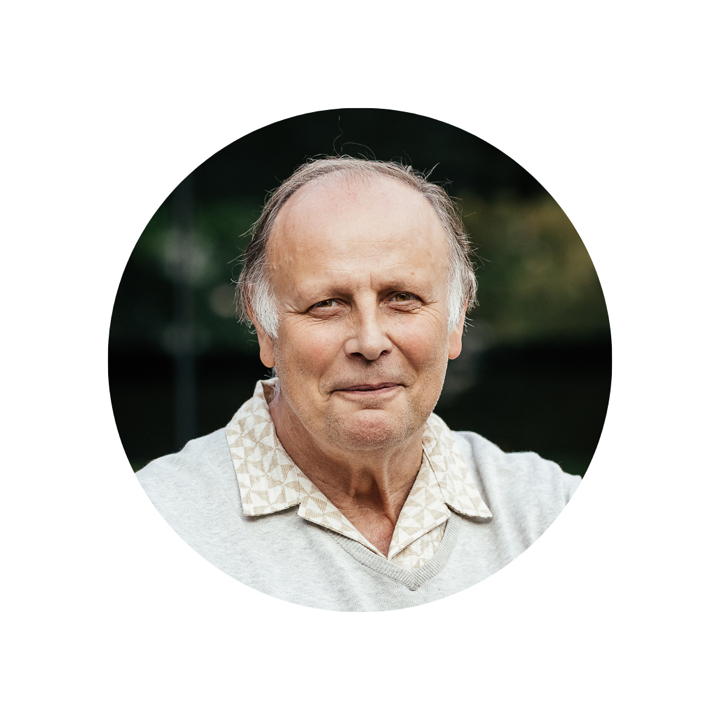
Former HR Manager and Master Trainer at Toyota Motor Europe
Jan Hermans
Jan is a master trainer for Toyota Global Content programmes including PDCA, Performance Management, A3 Consensus Building & Communication and Problem Solving. He was a Management & Leadership Development specialist at Toyota Motor Europe and brings direct Toyota experience to the courses.
Senior trainer/coach at Van Goubergen P&M - Lean Academy
Herman De Rom
Herman worked at Volvo Cars as Head of Logistics Engineering, Operations Director and Group Senior Lean Director. He was also Operations Director at INEX. At Lean Academy he supports sessions on Total Productive Maintenance (TPM), flow and operational excellence.
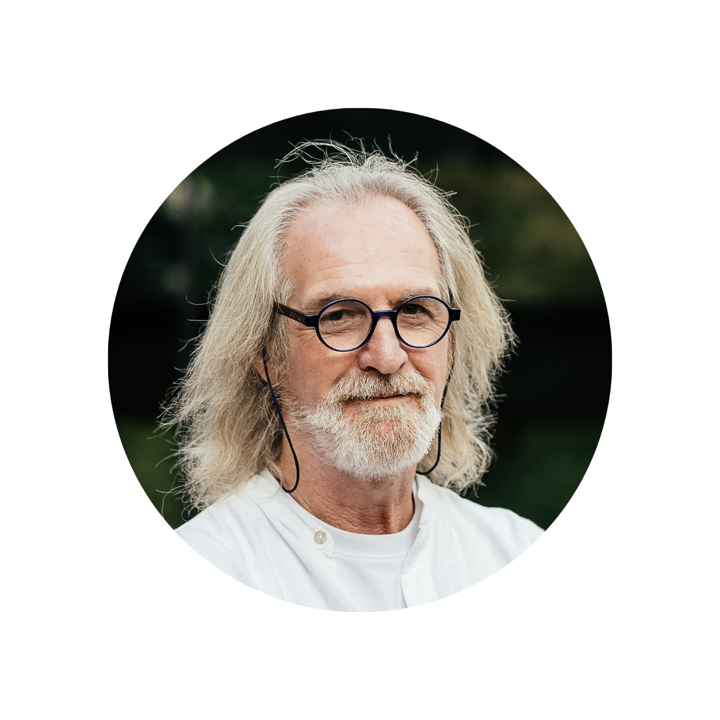
Senior trainer/coach at Van Goubergen P&M - Lean Academy
Raf Mues
Raf is a certified master trainer in Toyota Global Content and TPS programmes including TBP, Hoshin Kanri and A3/PDCA Thinking. Before joining Lean Academy, he spent almost 30 years working with TPS and the Toyota Way at Toyota Motor Europe in several operational management roles.
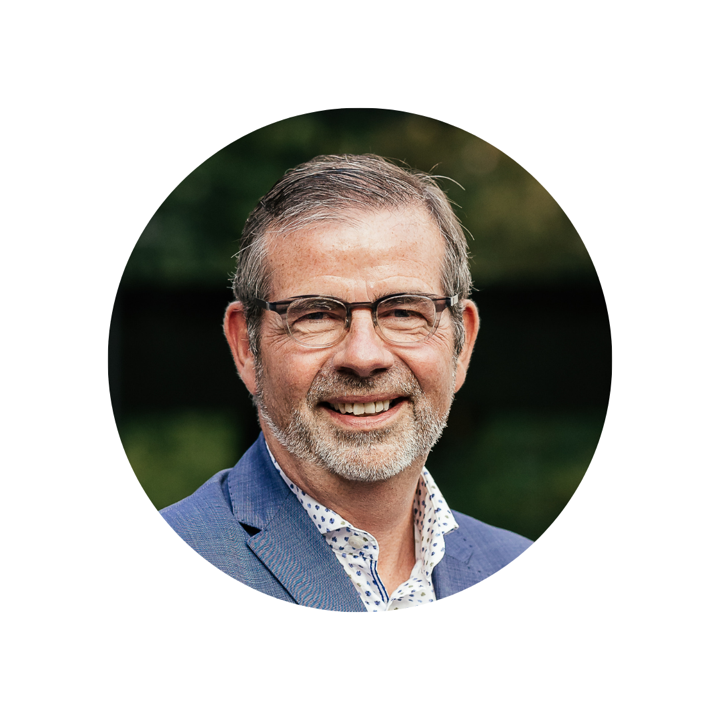
Vice President Manufacturing Engineering at Volvo Cars
Luc Semeese
Luc has built an extensive career at Volvo Cars across logistics, engineering, global supplier quality and as Plant Manager in Chengdu, China. He contributes practical examples of flow improvement in support processes and material delivery.
Senior expert in sustainability and quality
Dirk Inghels
Dirk combines scientific depth with practical business experience. With a background in engineering, quality, EHS and sustainable operations, he helps organisations translate complex challenges into concrete, long-term solutions.
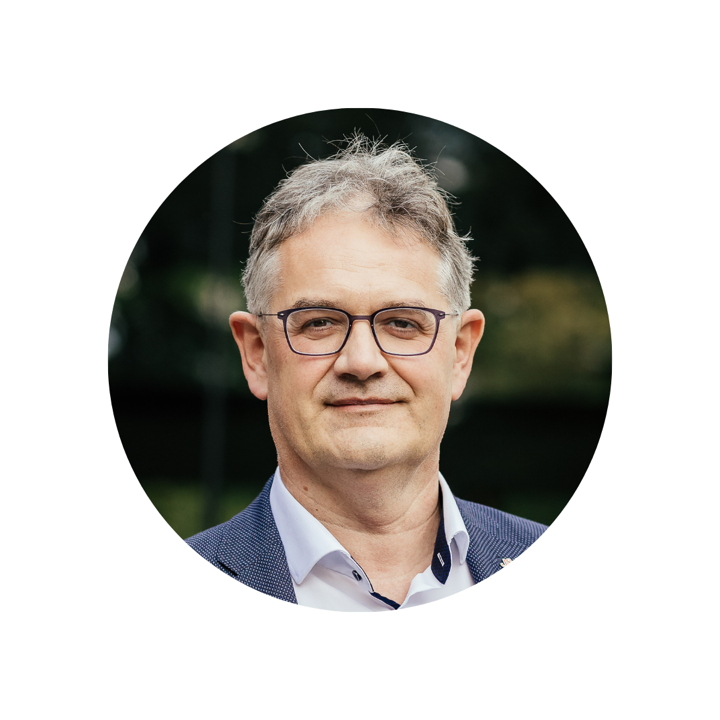
Head of EMEA CAR T Operations at Johnson & Johnson
Bart Van Waeyenberge
Bart is a member of the Beerse Campus Management Committee and the boards of Janssen Pharmaceutica NV and ETiON. He has held local and international roles in Europe and the United States across process industry, automation, operations, supply chain and business excellence.
Lean Manager at Mars Food Europe
Patrick Wilms
Patrick has almost 30 years of experience with Lean at Mars, formerly Masterfoods. He brings practical expertise in standards, daily management and leadership development.
Certification
Theory exam
✓ 50 multiple choice questions Green Belt in Lean – 90 minutes (physical presence) – Incl 1 re-examination
✓ 50 multiple choice questions Black Belt in Lean – 90 minutes (physical presence) – Incl 1 re-examination
Practical exam
✓ Successfully implement and document a Lean improvement initiative in your own organisation at value stream level. This case must be defended before a jury of Lean leaders and experts
✓ Incl. 1 re-examination
For additional exams there is an administrative fee of 250€ per exam.
Practical details and subsidies
Discounts
Organisations registering multiple participants for the same trainings sessions on the same dates benefit from the following reductions:
Second participant: 5%
Third participant: 10%
Fourth and subsequent participants: 15%
Subsidies
For participants from Flanders (Belgium):
KMO Portefeuille Registration Number Van Goubergen P&M : DV.O100454 (‘Personeelsmanagement’)
Number of Training Hours : 132 Hours – Maximum subsidy amount : 8.505 euro
Click here for more information
For participants from food industry (Belgium):
This training is also supported by Alimento/IPV for organisations in food industry in Belgium.
Drinks and Meal
Residential Kick-Off in Blankenberge
Cold and hot drinks during the day are included in the training fee, as well as lunch and dinner.
Roosenberg sessions:
Cold and hot drinks are included in the training fee.
A light meal is served around 16:45.
Sessions typically run from 13:30 to 20:30, unless otherwise stated.
Location
The residential 3 day kick-off takes place at Hotel Aazaert, Blankenberge. Hotel cost at a reduced group rate needs to be paid by the participant at the hotel.
The rest of the training takes place at Roosenberg, Patotterijstraat 1, 9250 Waasmunster, where free parking is available.
Optional
- COACHING Additionally to our open training we offer optional individual off-line coaching during or after the training. The cost is 960 euros excluding VAT for 4 sessions of 1 hour. Alternatively we can provide, on simple request, a time budget for the (on/offline) coaching and further follow-up.
Contact
Feel free to contact us for
questions related to our
training. You can also check out
our FAQ.
Are you looking for in-company
training? Drop us a message on
academy@vangoubergen.com
and we will get back to you.